Florida, Pennsylvania
& Minnesota Classes

Offering CPR, AED, and First Aid Certification Classes.
Florida, Pennsylvania and Minnesota CPR First Aid Trainings a Life Can Depend On
-
To view our public CPR AED and First Aid classes or to schedule a private group session please select your location below:


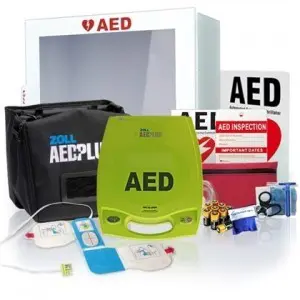
We are a Distributor of Zoll, HeartSine, Philips and other major manufactures of AEDs.
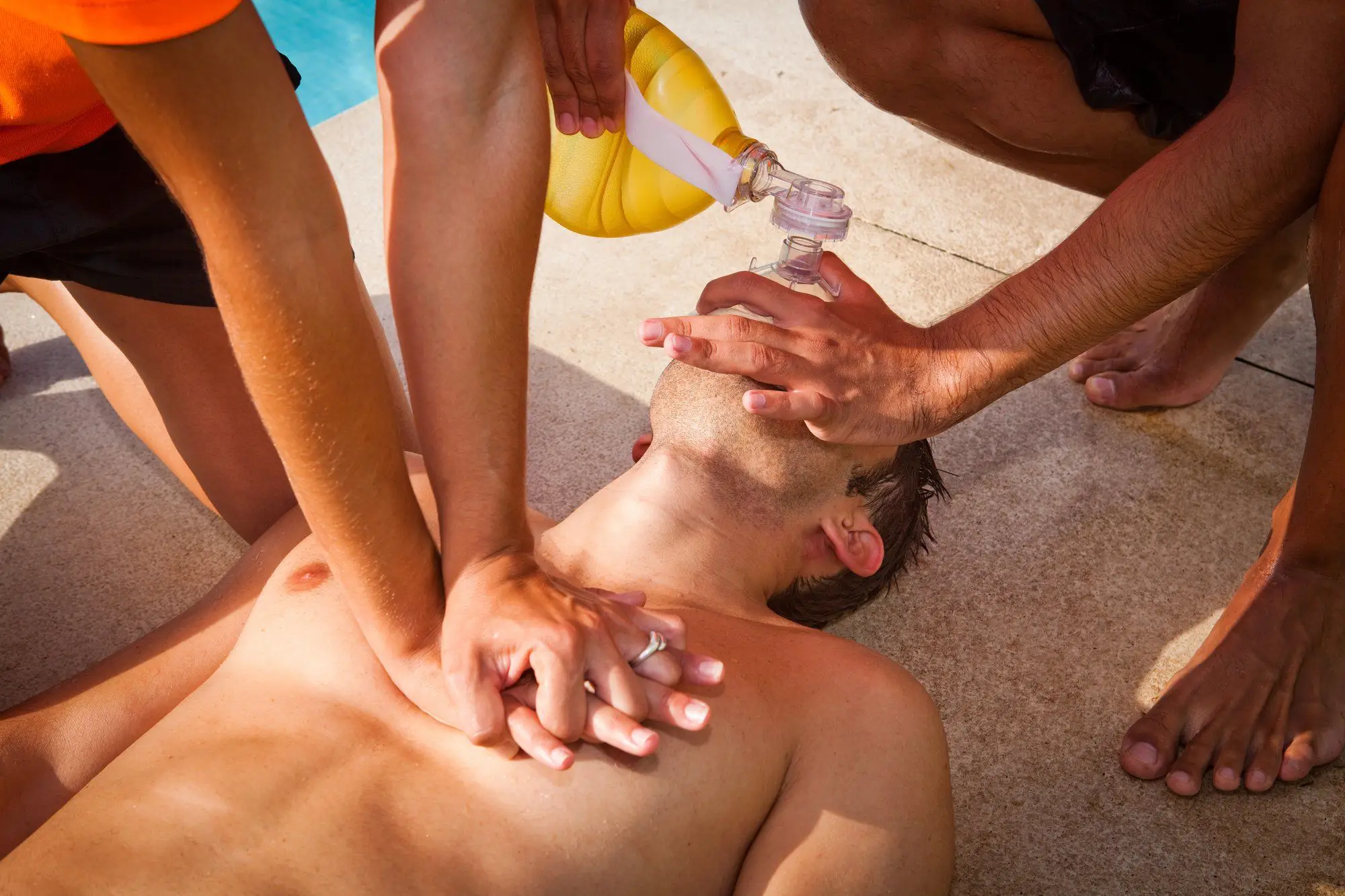
BLS Provider CPR
The American Heart BLS Provider CPR AED training is for all healthcare workers including nurses, nursing assistants, dental workers, hygienists…
First Aid Training
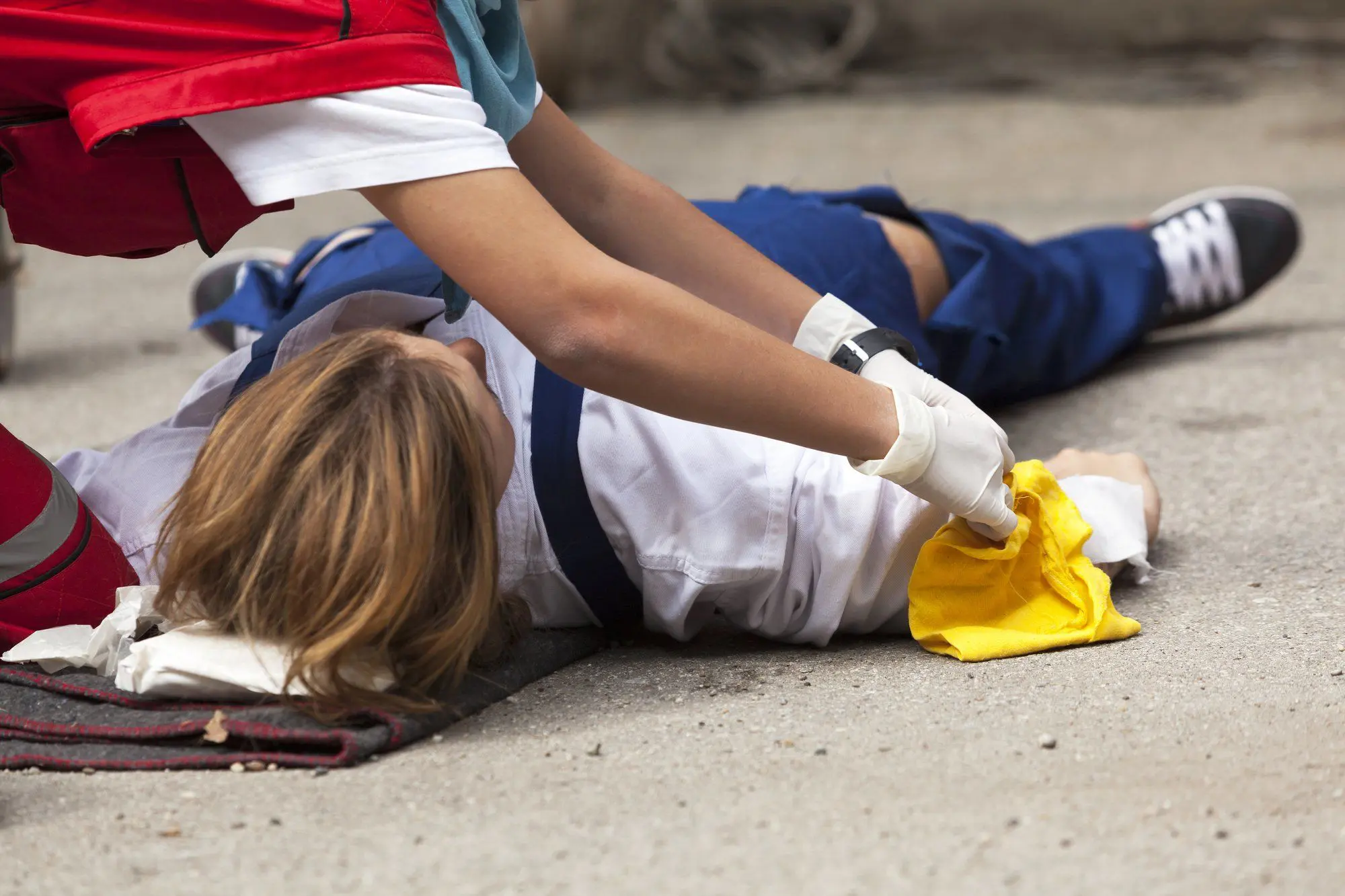
First Aid classes include training on soft tissue injuries, bone and muscle injuries, medical emergencies including…
Heartsaver CPR / AED Training
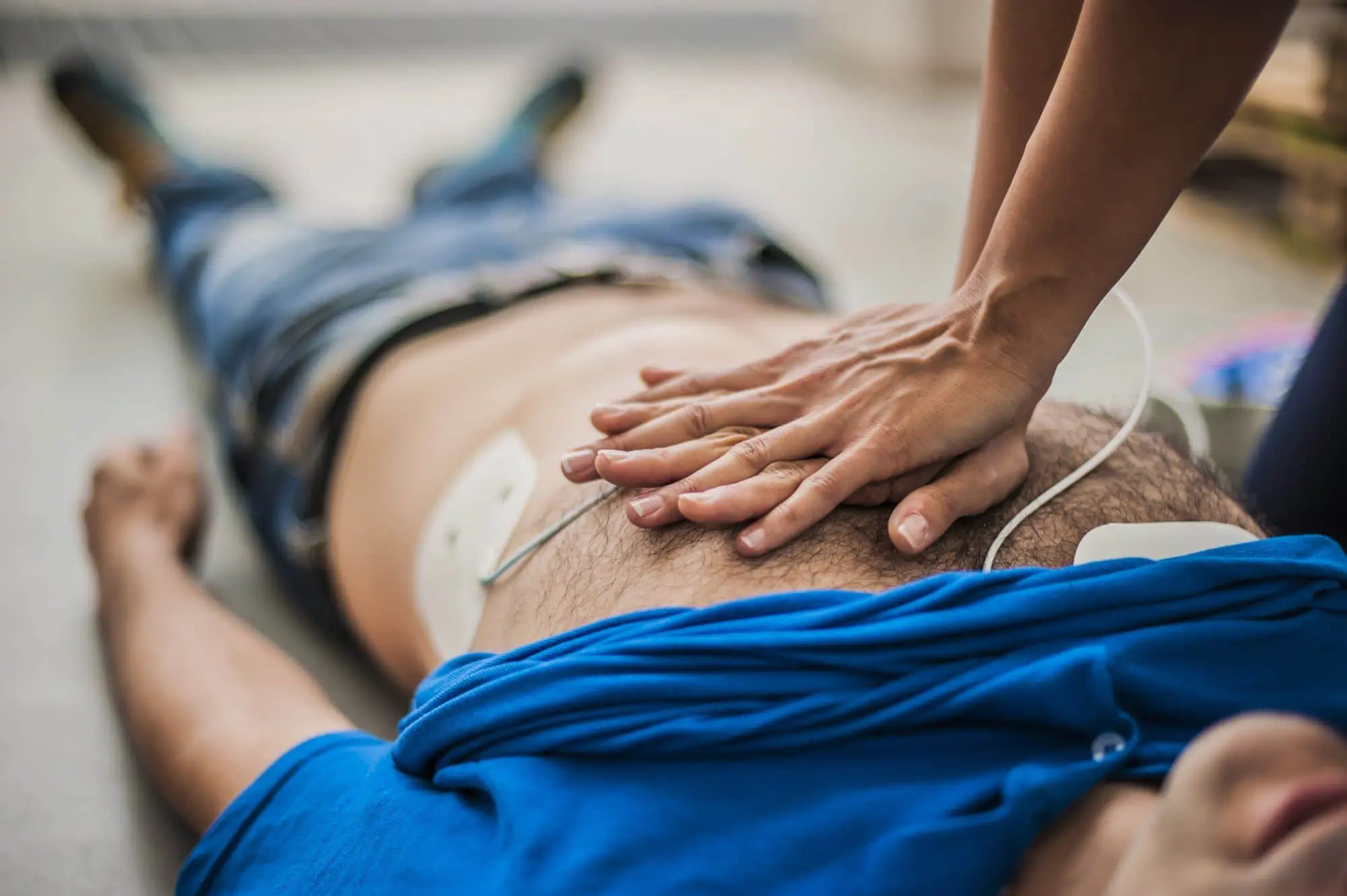
AED Training is always a part of CPR training and we will help you know how to confidently perform CPR and use an AED, whether…
Private Group Trainings
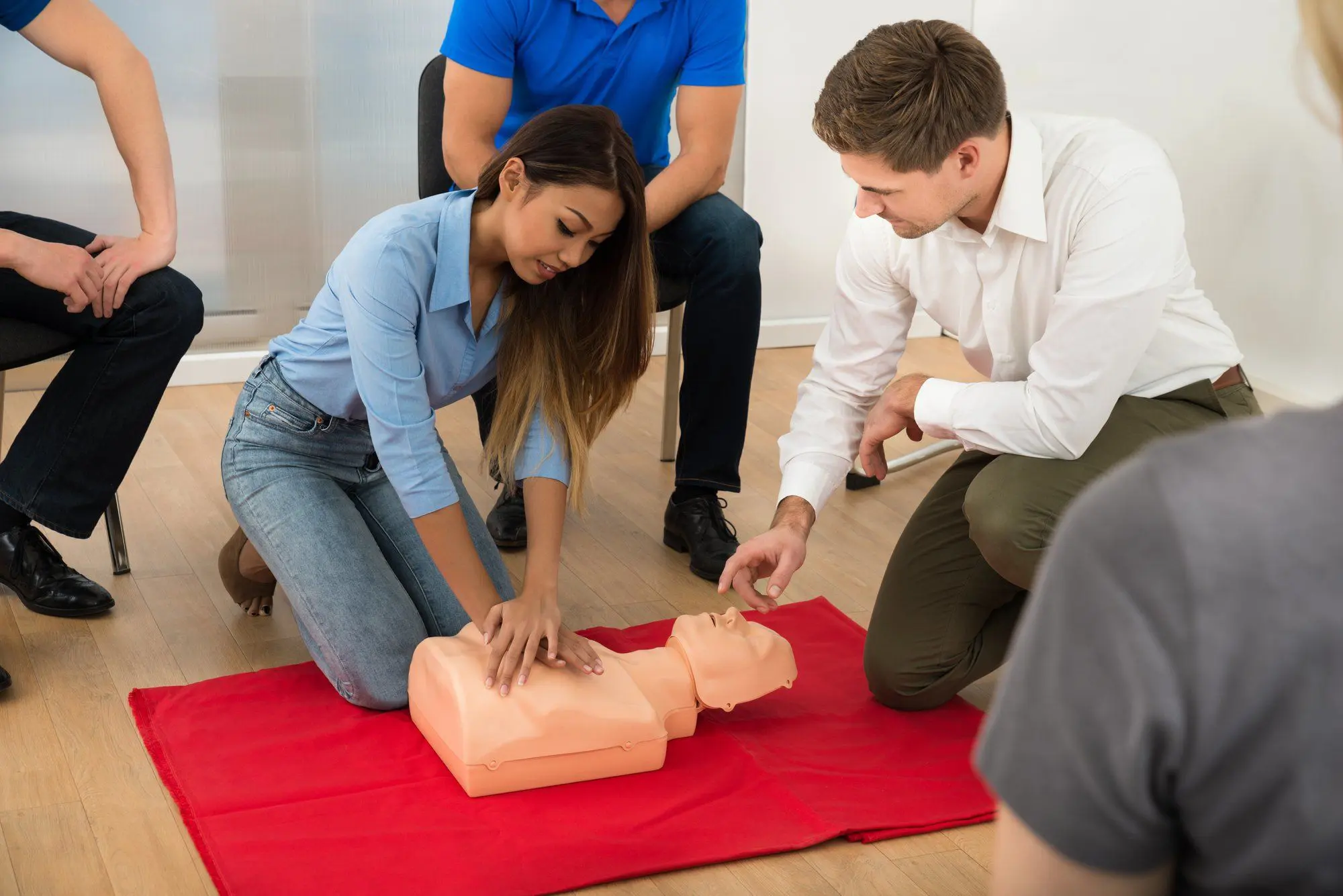
Training at your site is a great way to have your team prepared together. We provide a hands-on, engaging training so your staff can really master these necessary…
CPR UPDATES & NEWS
Industry News, Updates and Advice
Why is it important to learn CPR?
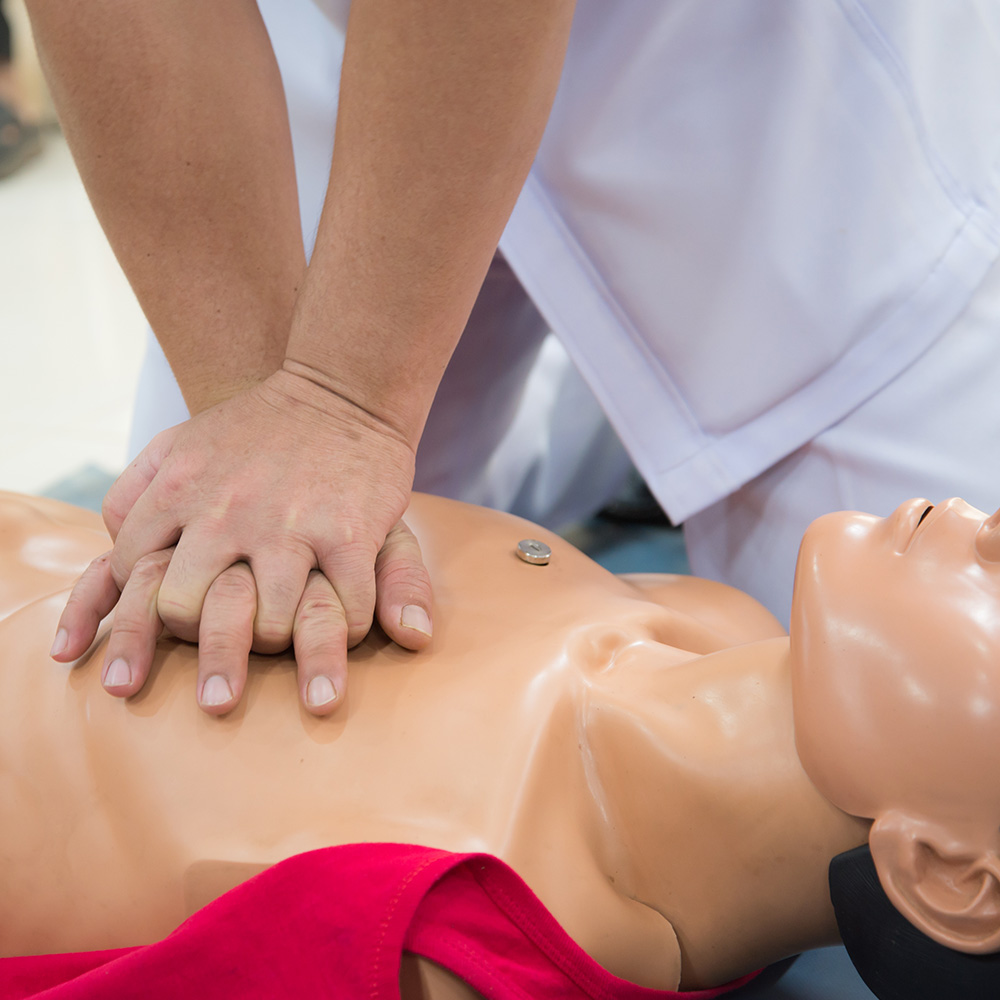
Heart attacks are a common health concern that has affected millions of individuals worldwide. Unfortunately, millions more are still at risk of experiencing a heart attack, which can be a life-threatening event. In such cases, knowing how to perform CPR can make all the difference in saving a person’s life. That’s why it’s crucial to […]
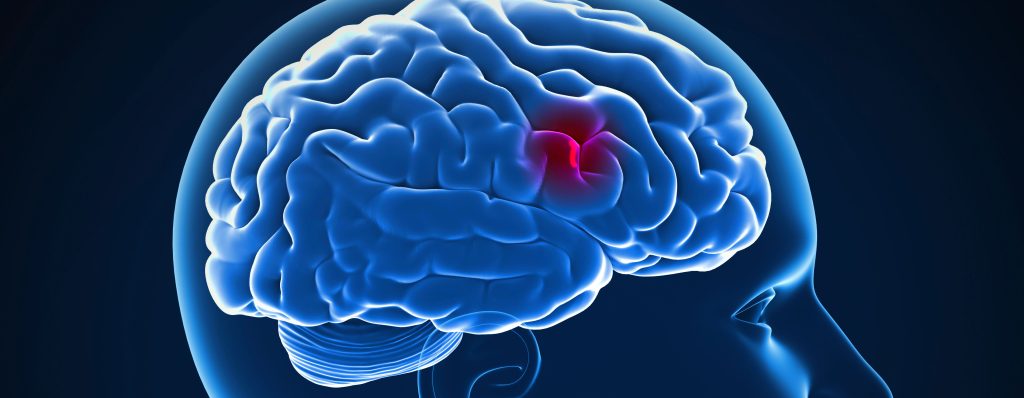
Why it is important to notice the signs of a stroke early
Stroke is a medical emergency that affects millions of people worldwide, and it’s vital to detect it early to minimize its long-term effects. This condition occurs when blood flow to the brain is disrupted, either due to a blood clot or a bleed in the brain. When this happens, brain cells begin to die within […]
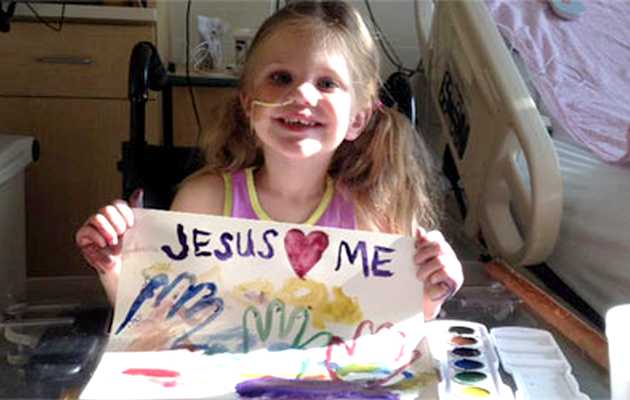
SCA Miracles: 3-Year-Old Girl Saved with CPR After Near Drowning
One little girl survived a near downing, thanks to her mother’s knowledge of CPR. After a neighborhood pool party, Alise Nipper came perilously close to losing her life when she slipped and toppled into a neighbor’s backyard pool. After Alise was found at the bottom of the water, unconscious and without a pulse, all hope […]
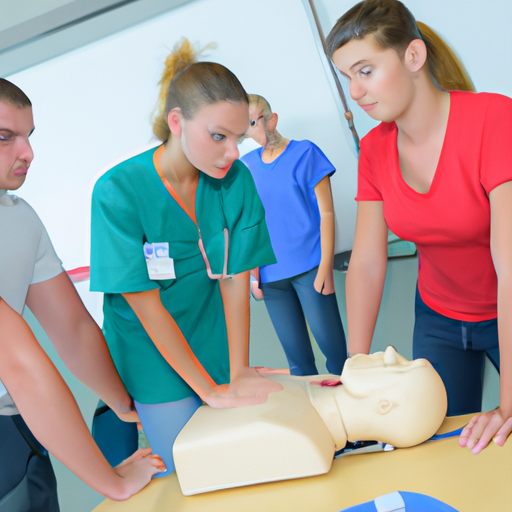
The Surprising Mental Health Benefits of Learning CPR
Studies show that people who learn CPR tend to feel less stress and anxiety in emergencies and daily life. They also report greater feelings of personal accomplishment and self-esteem. Learning a skill like CPR, challenges you physically and mentally. It pushes you outside your comfort zone in a controlled way. And when you master it, […]
Feedback on our CPR AED and First Aid Certification Classes & Trainers
Whether taking our CPR certification, first aid course, or AED training, every student completes a class evaluation that we read and use to make improvements. We are committed to bringing nothing but the best in our first aid trainings, which is why we at In-Pulse CPR take your feedback so seriously. From just a few of the thousands of comments we’ve received on our CPR certification and other courses, here are just some of the reviews we’ve received:
Training a Life Can Depend On
Multiple Locations, Trusted Trainers and Professional CPR Training
At In-Pulse CPR, Inc., we take pride in our quality of teaching and memorable classroom experience. From CPR AED Training and Certifications in multiple states to First Aid and Blood borne Pathogens, In-Pulse CPR uses state-of-the-art equipment and the latest technology to provide an interactive, experiential learning environment. We are passionate about making sure that each student leaves the classroom feeling confident in the skills they gained.

Bundle and Save on AEDs!